


Every digital system is based on a design. Some designs add more steps to a process, while others remove them. Google became such a success, in part, by redesigning the way people accessed the internet. When it comes to case management systems, there are platforms that require users to remember specific ways of navigating from A to B, while there are others that make navigation much simpler. Some systems are designed with the assumption that every user will be comfortable navigating its complexity, but not everybody has the capacity to do that every day. Some systems are designed around the reality that people are doing the best they can with the energy they have on that day.
For many organisations, considering whether your case management system is easy to use or not, is a nice-to-have, whereas for organisations that serve or are run by neurodivergerse people, it becomes a fundamental question of accessibility.
If someone has ADHD, autism, dyspraxia or any number of other neurological differences, a system that creates unnecessary friction isn't only inconvenient, it can be the difference between someone positively engaging with your service rather than giving up before they even get through the door. It can affect whether your volunteers feel equipped to perform their role or whether they feel overwhelmed using your systems. People shouldn't have to spend their capacity fighting a system that wasn't designed with them in mind.
This article is about how Makerble is designed to reduce friction for everyone and what that means specifically for organisations with neurodiverse teams and clients.
For service users: fewer steps and less friction at the point of booking
Embeddable sign-up forms. Rather than directing people away from a familiar page to a new website they've never seen before, Makerble's sign-up forms can be embedded directly into your own website. The person stays where they are. The form loads where they're already looking. One fewer navigation step; one fewer moment of "where am I now and what do I do?"
Recurring event registration. For programmes that run regularly, e.g. weekly sessions, fortnightly groups, the same form handles every future session once it's set up. Someone who books into a Tuesday group doesn't need to re-register every fortnight. Their details are already there.
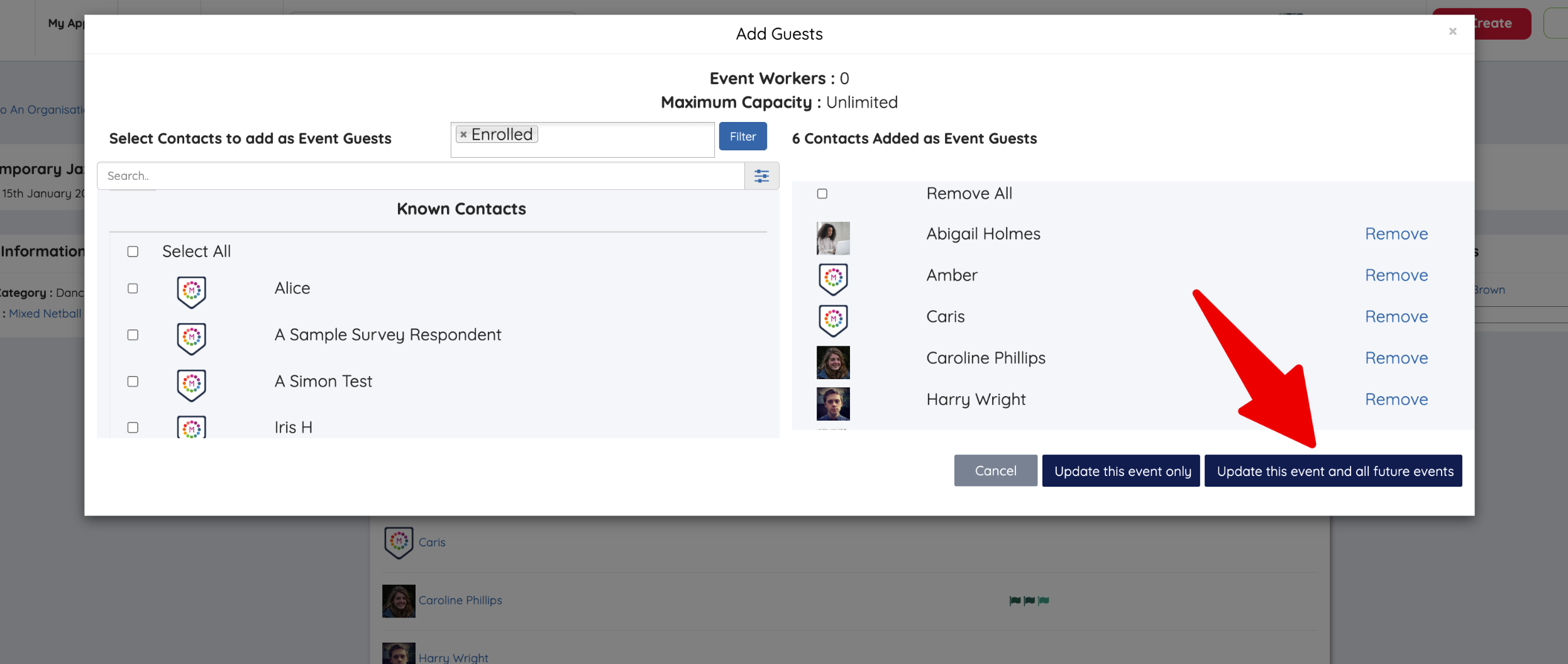
Self check-in that requires no navigation. For people who attend sessions in person, the iPad or phone self check-in let's them simply find their name and tap it which removes the need to interact with a form at all at the point of arrival. For someone who is managing anxiety about being in a new place, this can be a meaningful reduction in cognitive demand.
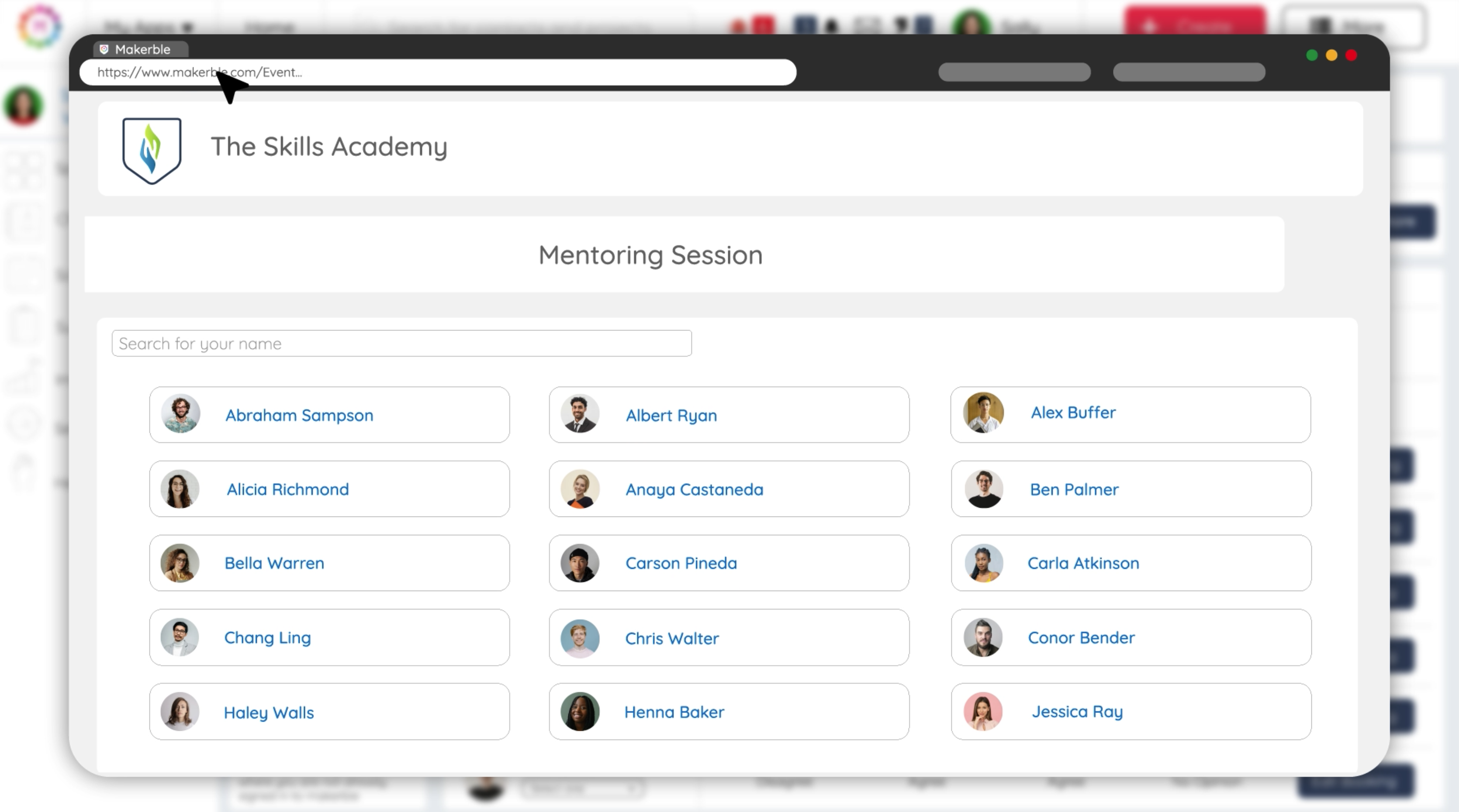
Plain, predictable communication. On Makerble you can send automated reminder messages via SMS or Email before each session in plain language at a consistent time. This can provide the predictability that many neurodivergent people find genuinely helpful.
For volunteers: attendance tracking that's straightforward
Many of the people running sessions and groups for neurodivergerse communities are themselves neurodivergerse. They came to volunteer because they have lived experience of the community they're serving and that's what makes them good at it.
Asking those volunteers to also become data managers, logging into platforms, navigating unfamiliar interfaces, creating events and uploading registers might beasking them to do something that has nothing to do with why they volunteered and could be genuinely difficult for them.
Makerble's self check-in link is designed to make this simpler. The volunteer receives a link for each session. After the session, they open the link on their phone or tablet. They see the names of the people who attended. They tick the names. They press submit. That's the whole task.
It's straightforward, it's the same every time and doesn't require logging in, navigating through various screens or even having any prior knowledge of how the system works. The attendance data goes directly into the platform, where the people who need it can see it.
For staff and managers: a design that reduces cognitive load
Running an organisation is cognitively demanding work. So every step you can take to reduce cognitive load will have a tangible benefit across the organisation.
Automated recurring events. Create a session once, set it to recur, and it exists for the rest of the year. No monthly reminder to create next month's event. No risk of forgetting. The structure is built in.
Automated survey delivery. Configure a survey to go out after every session, or at monthly intervals, or at three-month follow-up points. It goes out without anyone having to remember to send it. Responses come back into the platform automatically.

Real-time attendance visibility. Rather than waiting for volunteers to submit registers and someone to transfer the numbers, the team can see attendance across all sessions in real time. No chasing, no compilation, no delay.
Reporting that is already structured. When it's time to write the funder report or prepare for a board meeting, the data is already in the system in a format that can be pulled out as charts and tables. No rebuilding from scratch. No week of manual work before every reporting deadline.

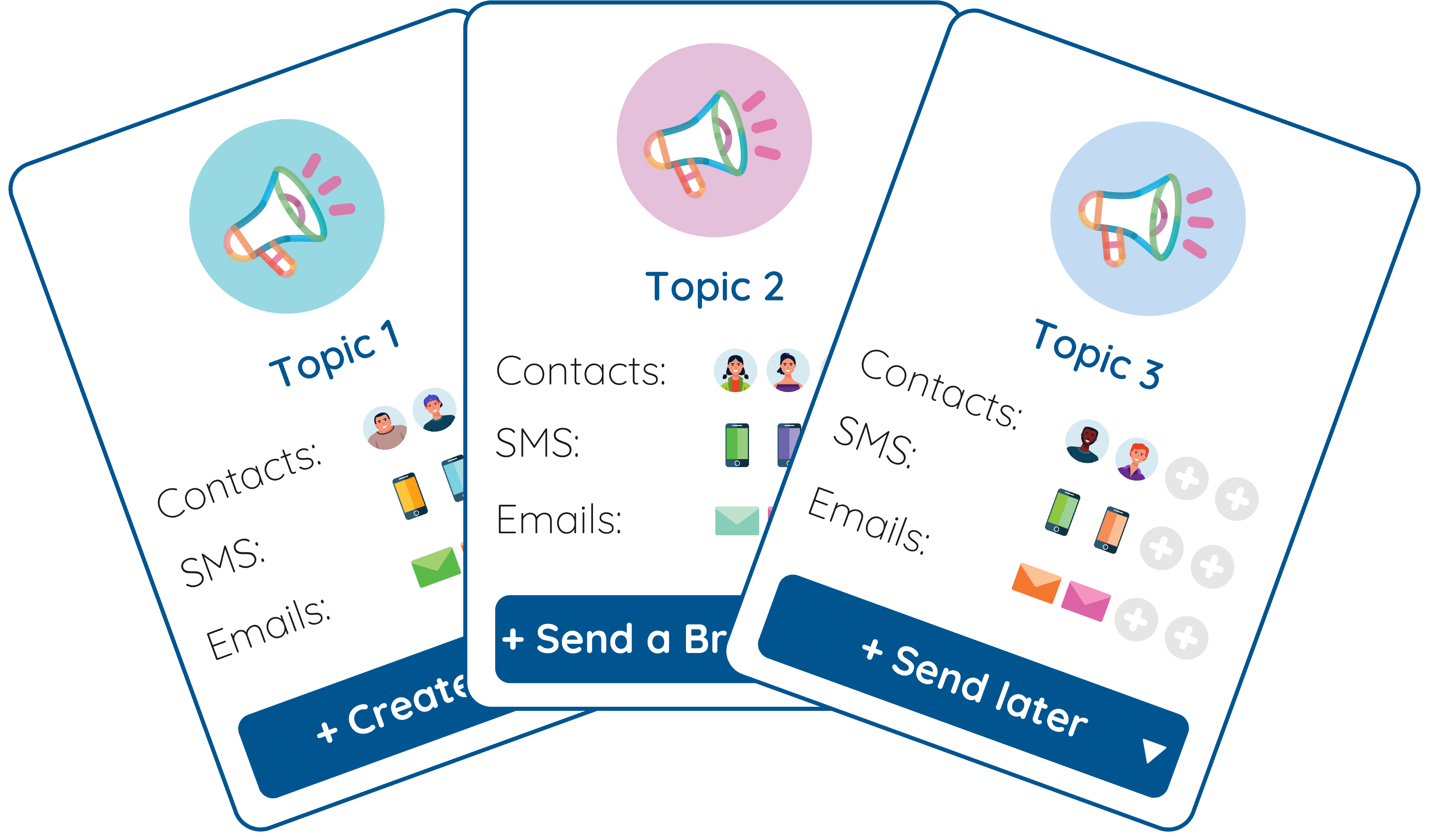
Alerts that remove the need to monitor. For managers who worry about the welfare of their service users between sessions, configuring automatic alerts for concerning survey responses means that the system is watching, so the manager doesn't have to hold that watching in their head as an ongoing task.
Accessibility empowers everyone to play their role
Admittedly we could write a version of this article for any community Makerble serves given that reducing friction in booking processes is good for everyone, automating admin is good for everyone, making volunteer data collection simpler is good for everyone. But for organisations where neurodiverse people are the service users, the volunteers and/or the staff, the consequences of getting this right or wrong are higher. Systems that demand unnecessary effort extract that effort from people who may have less of it to give. Systems that are predictable, structured and low-friction give those same people more capacity for the things that actually matter: the session, the connection, the work.
That's what good systems should do for everyone.
Makerble works with a range of organisations serving neurodivergent communities. If you'd like to talk through how the platform can be configured for your specific programmes and team, get in touch.







.png)

%208.png)


.png)


