

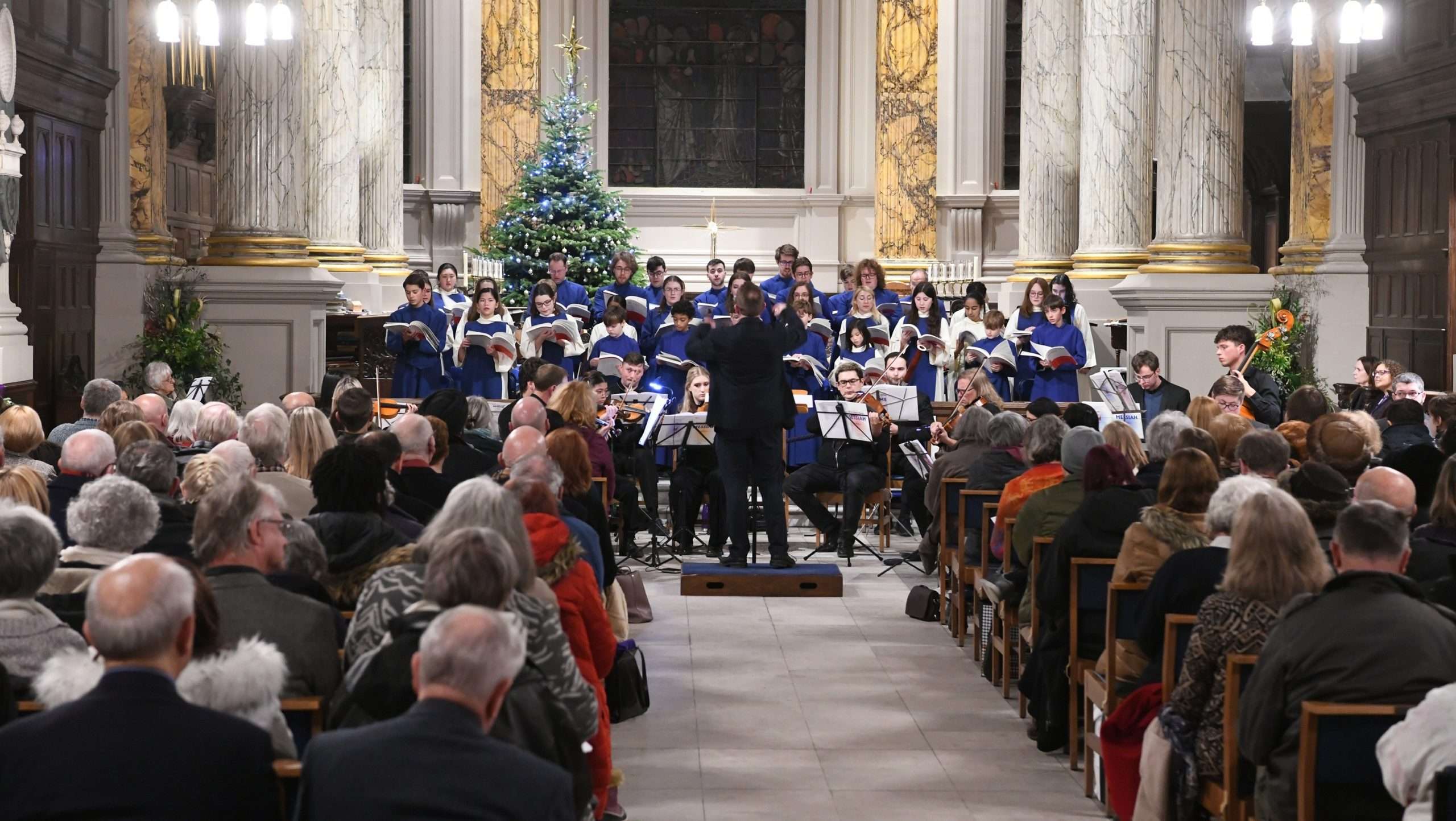
About the Organisation
Church of England Birmingham oversees mission, ministry and organisational development across the city and surrounding areas. Since 2016, the Diocese has focused on growth, moving along a maturity curve from informal storytelling to structured measurement of success and impact.
They now manage a diverse portfolio of 36 projects, including:
- Fresh Expressions groups such as cycle church and Messy Church
- A major £1.5m church plant resulting in 200 new disciples and a 500-person vibrant community
- Parish services projects such as HR, bookkeeping and building management
- Leadership development, including a three-year Lay Reader training pathway
- Mission and oversight programmes supporting parishes to collaborate, share resources and explore new ways of engaging their communities
Their work feeds into a multi-layered governance structure including the Change Delivery Board, Executive Board, Bishops’ Council and National Church annual reviews, all of which require narrative, metrics and evidence of progress.
The Challenge
Although the Diocese has strong instincts and processes for gathering insight, their measurement landscape was complex and inconsistent:
Fragmented tools
Teams relied on Microsoft Forms, Smartsheets, interviews and manual moderation. Different projects use different frameworks, and some have none at all.
Inconsistent data collection
People counted and reported in different ways, making it difficult to compare performance or aggregate data across programmes or parishes.
Time constraints
Project leads, especially parish priests, are extremely busy. Just getting two hours in their diary every four months could be challenging.
Difficulty synthesising stories, stats and surveys
Evidence was being collected, but rarely brought together into a single, coherent picture.
Increasing reporting demands
The Diocese needed to create regular structured reports for internal boards and national reviews, but pulling data together manually was time-consuming.
Strategic need to systemise what works
The Diocese's wanted to be able to embed the pilot approaches into the Diocese’s core offering, rather than keeping them as standalone projects. Having fragmented data would make that difficult, and so it was necessart to find a way to streamline the way the pilot projects were run.
The Solution
Given that Church of England Birmingham wanted to track attendance, capture feedback and report stats, Makerble MissionToolkit was the appropriate product for thier use case. They now have a single platform that brings clarity, consistency and simplicity to their impact reporting. Makerble has become their home for stories, stats and surveys. They can combine narrative, metrics and questionnaires into unified dashboards, which is something they used to do across several tools. For example, people who take part in the Seekers Course (which is run at a local parish level) are onboarded using Makerble, their attendance at sessions is tracked and their progress towards faith is recorded so that they can be better supported.
From a reporting perspective, Makerble's albums allow the Diocese’s flow of reporting to be easily implemented: project → programme → boards → trustees → national church.
The Impact
By adopting Makerble, Church of England Birmingham now has shared templates that can be used across several projects. The reporting burden has been reduced thanks to dashboards that bring evidence together rather than those results needing to be aggregated from across several spreadsheets, interviews and forms. Ultimately the Diocese is better positioned to embed effective approaches into its core offering; moving beyond projects into sustained cultural change.


.jpg)





.png)

%208.png)


.png)


